Macro Calculator
Enter age, biological sex, weight, height and activity level in the form and this macro calculator shows your daily calorie target with grams of protein, carbs and fat for a cut, maintenance or a bulk, updating as you type. It also shows your maintenance calories (TDEE) and BMR, works in kg and cm or lb and feet and inches, and runs entirely in your browser, so nothing you enter is uploaded.
How this macro calculator works
There is no submit button. Work down the form and the result block changes with every edit:
- Units: pick Metric (kg, cm) or Imperial (lb, ft/in). The choice starts from your region.
- Biological sex: Female or Male. The metabolic formulas use it in the calculation.
- Age: whole years, from 15 to 120.
- Weight and Height: in imperial, height is two boxes, feet and inches.
- Activity level: choose the line that matches your usual week, exercise included.
- Goal: Cut, Maintain or Bulk. With Bulk, a Calorie surplus choice appears.
The result block shows your Daily calorie target in kcal / day, boxes for Maintenance (TDEE) and BMR, and three bars for Protein, Carbs and Fat, each in grams and as a share of your calories. Until age, weight and height hold usable values, it asks you to fill them in.
BMR 1,649 kcal, maintenance (TDEE) 2,556 kcal
| Goal | Daily calorie target | Protein | Carbs | Fat |
|---|---|---|---|---|
| Cut (20% deficit) | 2,044 kcal | 154 g | 229 g | 57 g |
| Maintain | 2,556 kcal | 154 g | 325 g | 71 g |
| Bulk (Lean +10%) | 2,811 kcal | 154 g | 373 g | 78 g |
Protein stays put because it follows body weight. As calories move, fat and carbs take up the difference.
Macro calculator for cutting, maintaining and bulking
The Goal setting moves your calories relative to maintenance, and the macros are then rebuilt around the new target:
- Cut eats below maintenance. The default deficit is 20%. To change it, open Advanced settings and use Calorie deficit, anywhere from 1% to 40%.
- Maintain sets the target equal to your TDEE.
- Bulk eats above maintenance by the Calorie surplus you choose: Lean +10%, Moderate +15% or Aggressive +20%.
How the calories and macros are calculated
The sum runs in four steps, all rounded to whole numbers at the end:
- BMR, your resting calories, from the metabolic formula you pick (see below).
- TDEE = BMR × the activity multiplier in the table.
- Target = TDEE minus the deficit (Cut), TDEE (Maintain) or TDEE plus the surplus (Bulk).
- Macros: protein = grams per kg × body weight (4 kcal per gram), fat = 25% of the target (9 kcal per gram), and carbs = the remaining calories (4 kcal per gram).
| Activity level | Multiplier |
|---|---|
| Sedentary (little or no exercise) | 1.2 |
| Light (exercise 1 to 3 days a week) | 1.375 |
| Moderate (exercise 3 to 5 days a week) | 1.55 |
| Active (hard exercise 6 to 7 days a week) | 1.725 |
| Very active (hard daily training or a physical job) | 1.9 |
In imperial, weight is converted by dividing pounds by 2.20462 and height by multiplying total inches by 2.54 before any of this runs. If you want to see the resting figure on its own, the BMR calculator shows just that number.
Mifflin-St Jeor or Harris-Benedict
Under Advanced settings, Metabolic formula sets how BMR is estimated. Mifflin-St Jeor is the default. With weight in kilograms, height in centimetres and age in years:
Women: BMR = (10 × weight) + (6.25 × height) − (5 × age) − 161
Harris-Benedict here is the revised 1984 version. For the example man it gives a BMR of 1,696 kcal instead of 1,649, so every figure after it comes out a little higher. Switch between them to see how much your target moves.
The calorie minimum and the 40% protein note
Two notes can appear in the result. If a cut or your settings would put the target below 1,200 kcal (Female) or 1,500 kcal (Male), the target is raised to that minimum and the page says so. And if protein plus fat would use up more than the whole target, protein is held at 40% of calories and a note says that too, so the macros always add up to your calories.
How accurate is a macro calculator?
Treat the result as a well-founded estimate, not a measurement. Mifflin-St Jeor typically lands within about 10% of a measured resting rate for most healthy adults, and the activity multiplier is a rough guess about your week. Muscle mass, genetics and daily habits move the true figure. Use the numbers as a starting point, check them against your weight over a few weeks, and adjust. This is a general fitness estimate, not medical advice.
Frequently asked questions
How do I calculate my macros?
Work in three steps. First estimate your resting calories (BMR) from age, sex, weight and height, then multiply by an activity factor from 1.2 to 1.9 to get maintenance calories (TDEE). Then set a calorie target for your goal: about 20% below TDEE for a cut, TDEE itself to maintain, or 10 to 20% above it to bulk. Finally split the target: protein at 4 kcal per gram, fat at 9 kcal per gram, and carbs from whatever calories are left. This calculator does all of it as you type.
What should my macros be for cutting?
For the example of a 30-year-old man at 70 kg and 175 cm with moderate activity, a 20% cut gives about 2,044 kcal a day: 154 g protein, 57 g fat and 229 g carbs. Your own numbers depend on your age, size and activity, so enter them in the form and choose Cut. The default deficit is 20%; open Advanced settings to set anything from 1% to 40%.
How many calories should I eat to bulk?
Start from your maintenance calories (TDEE) and add a surplus. Choosing Bulk offers three: Lean +10%, Moderate +15% and Aggressive +20%. For the same example man, maintenance is 2,556 kcal, so a lean bulk is about 2,811 kcal a day. A smaller surplus adds weight more slowly; a bigger one adds it faster, with more of it likely to be fat.
How much protein per kg of body weight should I eat?
The calculator defaults to 2.2 g per kg of body weight, which is at the high end of the 1.6 to 2.2 g per kg range often quoted for people who lift weights. You can change it under Advanced settings, in "Protein per kg of body weight", to any amount from 0.5 to 4. At 70 kg, 2.2 g per kg is 154 g of protein a day.
Is Mifflin-St Jeor or Harris-Benedict more accurate?
Mifflin-St Jeor is the default because it is the more commonly recommended equation for healthy adults today, and it typically lands within about 10% of a measured resting rate. The revised Harris-Benedict equation (1984) is the older of the two and usually gives a slightly higher figure: 1,696 kcal against 1,649 kcal for the example man. Neither is a measurement, so use whichever you prefer and adjust to how your weight actually changes.
How accurate is a macro calculator?
It is an estimate, not a measurement. Two people with the same age, weight, height and activity level can burn quite different amounts, so treat the result as a starting point. Eat to the target for two to three weeks, watch your weight trend, and move the calories up or down if it is not heading where you want.
Is there a macro calculator with no email or sign-up?
Yes, this one. There is no account, no email box and no button: the result updates as you type. Everything is worked out in your browser, and nothing you enter is uploaded.
Recommended
-
 Amazon Basics Digital Kitchen Scale
Weigh your food in grams so your protein, carbs and fat actually match the targets.
-
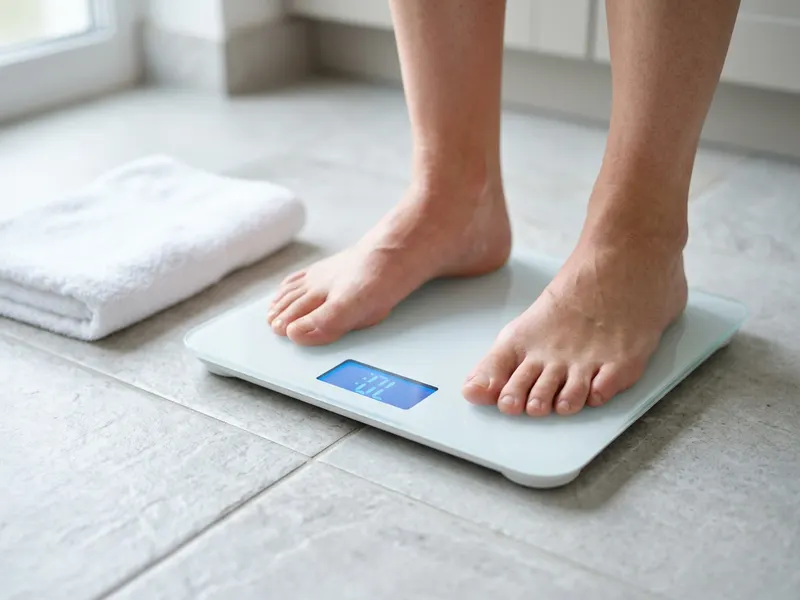 RENPHO Smart Scale
Your weekly weigh-in shows whether the calorie target is moving your weight the way you planned.
-
 Fitbit Inspire 3 Fitness Tracker
Tracks daily activity and calories burned, so you can see if your maintenance estimate holds up.
Helps keep the tools free. ✨
Images are for illustration only. As an Amazon Associate I earn from qualifying purchases.


