Measurement Converter Online Free: Metric and Imperial
This free measurement converter is a single box. Type any measurement, such as 5 inches, 250g or 1.5 cups, and every common equivalent appears at once, split into metric and imperial. There are no unit dropdowns to scroll: the converter reads the number and the unit out of what you write, works out whether it is a length, a weight, a volume, a temperature or a running pace, and updates on every keystroke.
How to Convert Metric to Imperial (and Back) by Typing
Write the amount and its unit in one go, in plain words or abbreviations: 15 cm, 2 kg, 3 tablespoons, 98.6 F. Mixed numbers and fractions work as well (1 1/2 cups, ½ tsp), and so do small typos and plurals. The list below groups the results into Metric and Imperial & US, with the system you did not type shown first, since that is usually the one you came for. Each row has a copy button that puts the figure and its unit on your clipboard.
Typing only a unit, like cm, converts one of it. A number with no unit shows a quiet “waiting for a valid unit” line instead of an error.
Metric to Imperial Converter for Length, Weight, Volume and Temperature
The converter covers the everyday units that cooks, DIYers, travellers and runners actually use:
| Kind | Units it lists |
|---|---|
| Length | mm · cm · m · km · in · ft · yd · mi |
| Weight | mg · g · kg · oz · lb · stone |
| Volume | ml · L · tsp · tbsp · fl oz · cup · pt · qt · gal |
| Temperature | °C · °F · K |
| Running pace | min/km · min/mi |
Figures are shown to two decimals at most with trailing zeroes dropped, and to three below 0.1 so that a small distance like 1 mm still reads as 0.039 in instead of a rounded 0.04. Results that would show as zero, or run into the millions, are left out so the list stays useful.
Gallons to Ounces and Other “A to B” Conversions
If you already know the unit you want, say so: 7 gallons to oz, 5 in to cm, 32 f to c. The single answer you asked for is shown large above the full list, with its own copy button. “to”, “in”, “into” and “=” all work as the joining word, and so does just writing two units in a row (250 g oz). Ask for two units that measure different things, such as cm to kg, and the converter says so instead of guessing.
Ounces vs Fluid Ounces: Getting the Right One
A few abbreviations genuinely mean two things: oz is a weight or a fluid ounce, c is degrees Celsius or a cup, and a bare k could be kilometres or kelvin. When the converter cannot be sure, a Which did you mean? switch appears under the box with just the possible kinds. Tap one and the whole list follows. Add a degree sign (20°C) or write fl oz and it is never in doubt. If you state a target, the target settles it: 8 oz to ml can only be fluid ounces, 8 oz to g can only be weight.
Decimal Inches to Fractions (Nearest 1/16)
For woodworking, sewing and anything read off a tape measure, switch on Show inches as fractions. Inch results turn into the nearest sixteenth — 13 cm becomes ≈ 5 1/8 in — and the ≈ sign tells you the fraction is rounded. The switch only appears for lengths, and it leaves every other unit alone.
Running Pace Converter: Min per km to Min per Mile
Type a pace as minutes and seconds per distance: 5:30/km gives 8:51 /mi, and 8:45/mi gives 5:26 /km. The answer stays in minutes and seconds, the way a watch or a race sheet shows it, rather than a decimal.
US Gallon vs Imperial Gallon
Cups, pints, quarts, gallons and fluid ounces here are US customary. A US gallon is 3.785 L; a UK gallon is 4.546 L. If a recipe or a fuel-economy figure comes from the UK, expect it to differ from the US value by about a fifth. Length and weight units are the same on both sides of the Atlantic, apart from the stone, which is a British unit of 14 pounds.
Free, and Your Numbers Stay in Your Browser
Every conversion is calculated on your own device. Nothing you type is uploaded, there is no account to make and nothing to install. For cups to grams by ingredient (flour, sugar, butter) use the cooking measurement converter, which knows ingredient densities; for a whole reference table of one unit against another, the conversion chart maker builds one.
Frequently Asked Questions
How to convert metric to imperial?
Type the metric amount into the box with its unit, for example 15 cm or 2 kg, and the imperial equivalents appear straight away: 5.91 in, 0.49 ft, 4.41 lb. To go the other way, type the imperial amount and the metric rows come first. The arithmetic behind it is fixed: 1 inch is exactly 2.54 cm, 1 pound is exactly 453.59237 g, and 1 US gallon is exactly 3.785411784 L.
How many ounces in a gallon?
There are 128 US fluid ounces in a US gallon (4 quarts, 8 pints, 16 cups). Type 1 gallon to oz to see that single answer at the top, with quarts, pints, cups, tablespoons and millilitres listed underneath. Those are fluid ounces, a measure of volume; the weight of a gallon depends on what is in it.
Are oz and fluid oz the same?
No. An ounce (oz) is a unit of weight, about 28.35 g, while a fluid ounce (fl oz) is a unit of volume, about 29.57 mL. They only line up for water, roughly, which is why recipes and labels can be misread. When you type just oz the converter defaults to weight and offers a Weight / Volume switch so you can flip to fluid ounces, or you can type fl oz directly.
Is oz weight or volume?
Both, depending on context. Oz on its own usually means the weight ounce, 1/16 of a pound. Fluid ounces are the volume unit, written fl oz. A bag of flour is sold in ounces of weight; a can of soda in fluid ounces of volume. A Weight / Volume switch appears under the input whenever a unit could mean either.
How many cm in an inch?
There are exactly 2.54 cm in 1 inch, which is 25.4 mm. Type 1 inch and the centimetre row reads 2.54 cm. For a quick estimate, multiply inches by 2.5, or divide centimetres by 2.5 to get inches.
How to convert inches to cm?
Multiply the inches by 2.54. Or type it, for example 5 in to cm, and the answer, 12.7 cm, is shown above the full list. Typing 5 inches or 5" works too; the converter accepts common spellings, abbreviations and small typos.
How to convert mm to inches fraction?
Type the millimetres, for example 100 mm, then turn on Show inches as fractions. The inch row changes from 3.94 in to 3 15/16 in, rounded to the nearest sixteenth as on a tape measure. A leading ≈ means the fraction is a rounded value, not exact.
Is an imperial gallon the same as a US gallon?
No. A US gallon is 3.785 L and holds 128 US fluid ounces; an imperial (UK) gallon is 4.546 L, about 20% bigger, and holds 160 imperial fluid ounces. This converter uses US customary volumes for cups, pints, quarts and gallons, so treat UK recipe and fuel figures with that gap in mind.
How to convert Celsius to Fahrenheit in your head?
Double the Celsius figure and add 30 for a quick estimate: 20 C becomes 70 F. The exact rule is multiply by 9/5 and add 32, which gives 68 F, so the shortcut drifts a few degrees on hot days. Type 20 C to see the exact figure, along with kelvin.
How do I convert min per km to min per mile?
Type the pace as minutes and seconds per unit, such as 5:30/km. The converter multiplies by 1.609344 and shows 8:51 /mi. Typing 8:51/mi goes back the other way. A mile is longer than a kilometre, so the per-mile pace is always the bigger number.
How to convert cups to grams?
Cups measure volume and grams measure weight, so the answer depends on the ingredient: a cup of flour weighs far less than a cup of honey. This converter turns cups into other volumes, such as millilitres, but not into grams. For grams by ingredient, use the cooking measurement converter.
Recommended
-
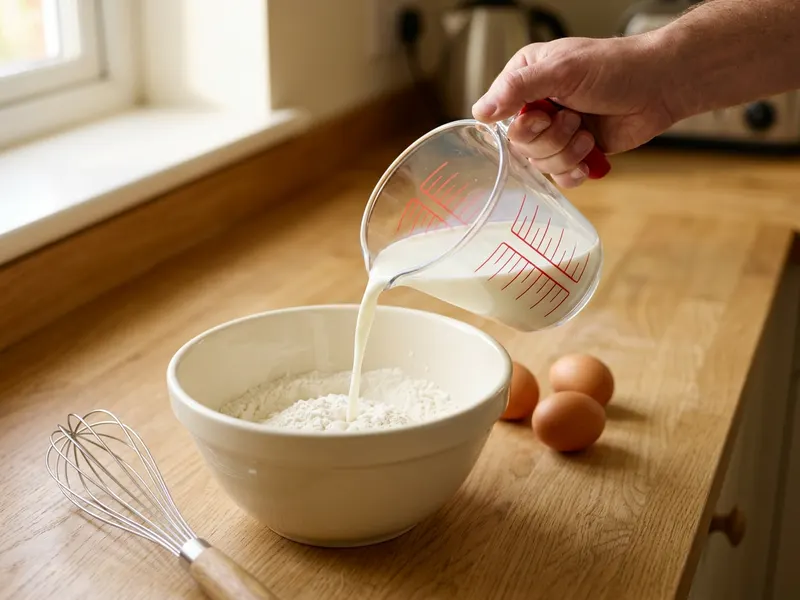 Pyrex Glass Measuring Cup (2 cup)
Cups, ounces and millilitres printed on one jug: pour the converted amount straight in.
-
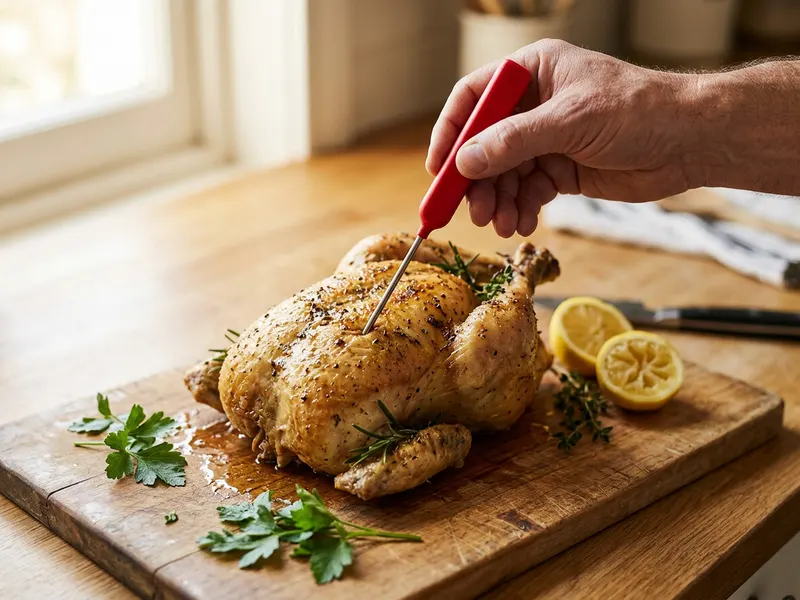 ThermoWorks ThermoPop 2 Instant-Read Thermometer
Switches between °F and °C, so a converted oven or roast temperature is easy to check.
-
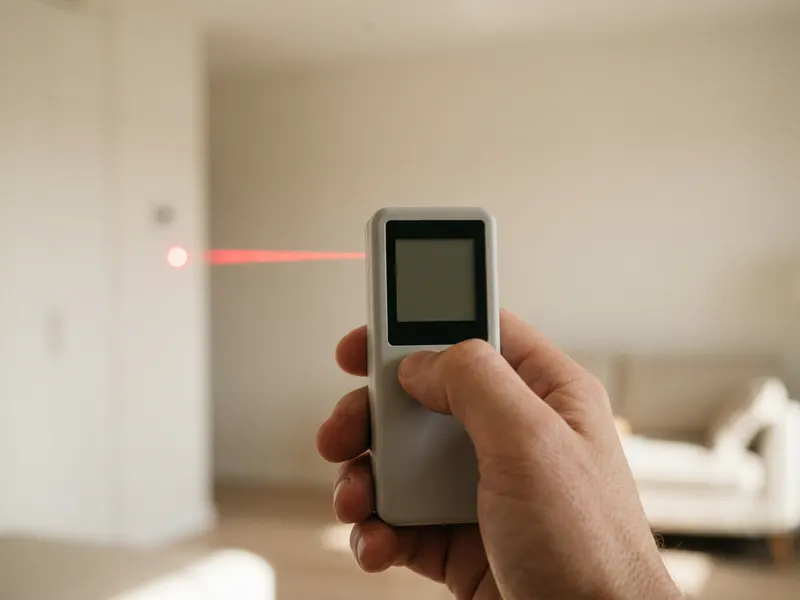 Bosch Blaze Laser Distance Measure
Measures a room in feet or metres at the press of a button, no more converting by hand.
Helps keep the tools free. ✨
Images are for illustration only. As an Amazon Associate I earn from qualifying purchases.